What Are the Eco-Friendly Pest Control Solutions in Hamilton?
If you’re looking for pest control Hamilton homeowners can trust, eco-friendly methods are a wise place to begin with. In Hamilton, Ontario, where older homes, humid summers, and seasonal pest pressure all play a role, the best approach is usually a mix of prevention, inspection, and carefully chosen treatments. That’s the core of eco-friendly pest control: handling pest problems while keeping people, pets, and the environment in mind.
Rather than relying only on broad sprays, green pest control centers on integrated pest management, a practical strategy that uses the least-toxic tools first. That might include non-toxic treatments, targeted application, monitoring, and long-term prevention. For many households, especially those with children or pets, this approach offers a more environmentally responsible and sustainable way to deal with an infestation before it grows beyond the action threshold.
What defines pest control Hamilton?
Green pest control is not about reducing effort; it’s about handling pest management more wisely. The goal is sustained control with limited impact on your home and surroundings. A true green approach starts with an assessment to find out what pest is present, where it’s getting in, what it’s feeding on, and what conditions are helping it thrive.
Integrated pest control is the framework most eco-conscious providers use. It brings together:
- Non-toxic methods such as exclusion, trapping, and habitat changes
- Gentle treatments only when needed
- Precision applications instead of blanket spraying
- Tracking traps to track activity before and after treatment
This approach is especially useful in Hamilton because pest problems often start with small vulnerabilities: gaps around pipes, worn weather stripping, cracks in the foundation, or damp cellars. By focusing on blocking entry methods and sealed entry points, a technician can reduce the chance of pests returning without overusing chemicals.
Eco-friendly also usually means choosing methods that are safe for pets and safe for children when applied properly. In many cases, the most effective strategy is not a product at all, but better housekeeping, moisture reduction, and shelter removal so pests have nowhere to hide or nest.
Which critters are most often seen in Hamilton homes and yards?
Homeowners searching for pest control Hamilton often deal with the same main pests: ants, mice, wasps, and cockroaches. Each one acts differently, but Hamilton’s housing stock and weather patterns create opportunities for all four.
Ants are particularly common in spring and early summer. As temperatures climb, they search for food and water, and humid conditions can make kitchens, wall voids, and patios more attractive. In older neighbourhoods, tiny openings around masonry and siding can turn into fast-moving ant highways.
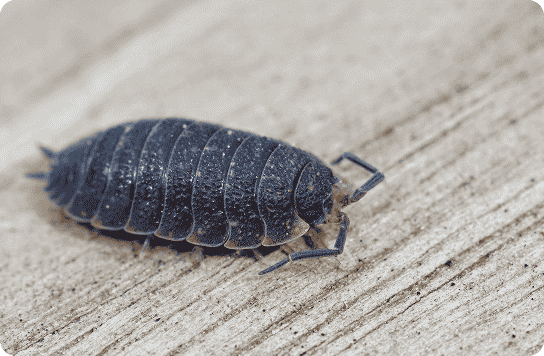
Mice become a larger concern as temperatures drop in fall. They can squeeze through very small openings and often enter through gaps around doors, utility lines, and foundation cracks. Once indoors, they reproduce quickly, contaminate surfaces, and damage insulation and stored items. That’s why mice control in Hamilton often requires serious rodent proofing.
Wasps are a significant summer issue around decks, rooflines, sheds, and eaves. In many Hamilton neighbourhoods, especially where trees and older structures are close together, nests can appear in sheltered spots near the property perimeter. Summer heat and food sources from patios and garbage bins can intensify the problem.
Cockroaches thrive where food, warmth, and moisture are available. Kitchens, laundry areas, and damp lower levels are common hotspots. In older homes, unfinished or humid basements can create ideal conditions, making cockroach control a recurring concern if moisture is not addressed.
These pests aren’t just a nuisance; they can create contamination, odour, and stress. The good news is that many eco-friendly strategies work well against all four when matched to the pest and the property.
What are the most safe environmentally friendly pest control methods for homes?
The safest green methods originate from fixing the conditions that draw pests. In most homes, the foundation of eco-friendly pest control is a mix of sealing entry points, sanitation, and monitoring. These methods are straightforward, but they often give the best results because they reduce access, food, and shelter at the same time.
Sealing entry points is one of the key steps. That includes repairing gaps around windows, doors, vents, utility penetrations, and foundation cracks. This is where exclusion becomes vital. Proper exclusion methods block pests from entering in the first place, which lowers the need for repeated treatments later.
Sanitation matters just as much. Crumbs, pet food, grease buildup, garbage overflow, and standing water all let pests settle in. A clean kitchen, sealed food storage, and regular waste removal can leave your home far less attractive. In practical terms, better sanitation often improves the result of any treatment plan more than a spray alone.
Monitoring traps can help reveal where activity is happening. For mice, this can mean tracking travel routes and detecting pressure before a larger infestation develops. For insects, simple monitors show whether activity is increasing or decreasing, which helps a technician decide whether further action is needed.
Bait stations are another green-friendly tool when used correctly. Instead of broadcasting product across the home, bait stations concentrate the treatment where pests are feeding. This creates a more targeted application and can reduce exposure compared with broad spraying.
Diatomaceous earth is sometimes used for crawling insects in dry areas. It works mechanically rather than chemically, which makes it appealing in some non-chemical methods plans. However, it must be used carefully and is not the right fit for every situation, especially if moisture is present or if the pest problem is severe.
When applied correctly, these methods promote a more natural strategy that is realistic, successful, and usually without odor. The key is choosing the method to the infestation and the building, not treating every issue the same way.
Are natural and eco-friendly pest solutions effective?
Plant-based and living options can be successful, especially as part of a more comprehensive integrated pest management strategy. They are usually best seen as tools, not magic solutions. In many Hamilton homes, they work well when combined with blocking access, moisture control, and inspection.
Essential oils are often promoted as plant-based pest solutions. Some can discourage pests in limited situations, but results vary widely. They may be effective for brief pest reduction, yet they are not a substitute for solving the root cause of an infestation. Because they can be strong, they should be used with care around fragile materials, pets, and children.
Neem oil is another botanical option, commonly used against specific insects and garden pests. It can affect feeding or growth, making it helpful in targeted settings. For outdoor pest management around landscaping, neem-based approaches can fit well into a more sustainable routine.
Beneficial nematodes are particularly useful in lawns and soil where they seek out insect larvae. For homeowners dealing with garden-related pest pressure, they can be a practical biological control that supports thriving outdoor spaces without extensive pesticide use.
Microbial pesticides use naturally occurring microorganisms to impact certain pests. These are more targeted than broad-spectrum chemical treatments and can be part of an environmentally responsible strategy. As with all biological controls, results depends on the right conditions, the right pest, and well-timed application.
Mosquito Man Hamilton62 First Rd W, Hamilton, ON L8J 3R2, Canada
+1 289-408-9573
https://maps.app.goo.gl/47W3PJ15EnQopiUf6
https://sites.google.com/view/pest-control-hamilton-ontario/
43.1795221, -79.7846013
These options are most useful when a provider understands local pest pressure and uses them carefully. A good pest control Hamilton plan should not depend on one product alone. It should pair botanic and biological tools with prevention and follow-up.
How does eco-friendly pest control operate for Hamilton's climate?
Hamilton’s damp climate, especially near Lake Ontario, plays a major role in pest activity. Hot, humid air increases pest survival and can increase activity in spring and summer. For homeowners, that means eco-friendly control needs to account for local weather as much as pest type.
The city’s Great Lakes humidity can raise moisture levels in basements, crawlspaces, and older building materials. That moisture can encourage ants, cockroaches, and wasps to stay active longer, while also creating the damp conditions rodents prefer around storage areas and utility spaces.
Freeze and thaw cycles are another Hamilton reality. These repeated temperature swings can widen small gaps in masonry, siding, and foundations over time. As those openings grow, pests find easier access points into basements and wall cavities. That’s why homes in Hamilton may benefit so much from moisture control and rodent proofing.
Older housing stock is especially relevant here. Many Hamilton neighbourhoods have older homes with aging foundations, unfinished basements, and subtle structural gaps. Those conditions create easy entry points and more harbourage for pests. A green strategy works best when it starts with sealing those openings and reducing dampness.
Seasonal infestation pressure also matters. In Hamilton:
- Spring tends to bring ant activity as colonies expand and search for food
- Summer usually brings more wasp problems around eaves, yards, and outdoor living spaces
- Fall causes increased rodent pressure as mice move indoors for warmth
Because of these cycles, eco-friendly pest control is often most successful when it is proactive. Treating the symptom in July may help temporarily, but fixing moisture, access points, and food sources creates better long-term control.
What should homeowners in Hamilton ask before hiring a pest control company?
If you’re evaluating providers for eco-friendly pest control in Hamilton, ask questions that show whether the company truly uses green methods or simply marketing language. A reputable company should be comfortable outlining its approach in detail.
Start by asking whether they send a licensed technician. In Ontario, pest control work should be handled in line with Ontario regulations, and the technician should be able to clarify what materials and methods they use, why they are right, and how they will be applied safely.
Ask what the inspection includes. A quality inspection should determine the pest, the source of the infestation, entry points, moisture issues, food access, and harbourage areas. It should not be a quick walk-through followed by a one-size-fits-all treatment.
Also ask for a clear treatment plan. A solid eco-friendly plan usually includes:
- Assessment of the pest and its life cycle
- Barrier recommendations, including sealed entry points
- Hygiene or moisture-control steps
- Use of monitoring traps or bait stations if appropriate
- Follow-up timing and prevention advice
Good companies should explain whether a residual treatment is needed, or whether the issue can be solved mainly with exclusion methods and monitoring. They should also tell you whether their products are low-toxicity pest solutions, non-toxic treatments, or other least-toxic options.
Finally, ask how they handle safety around people and pets. A trustworthy provider should clearly describe what is safe for children, what areas need to be avoided temporarily, and whether the treatment is odor-free or requires ventilation. If the company cannot explain its approach in plain language, keep looking.
When do you choose professional treatment over DIY?
DIY prevention can solve many small issues, especially when the problem is caught early. But there are times when professional help is the smarter choice, particularly if you want eco-friendly pest control that actually lasts.
Choose a professional when you see ongoing infestations. If ants keep returning after baiting and cleaning, or mice continue appearing despite sealing obvious openings, there may be a larger access or nesting problem. Professionals have the tools to inspect hidden areas and identify the real source.
Professional help is also important when there is physical damage. Rodents can chew wiring and insulation, while insects can exploit damaged wood or compromised siding. In these situations, the issue is no longer just inconvenience; it becomes a home-maintenance concern.
Some pests present genuine health risks. Cockroach debris can aggravate indoor air quality concerns, rodent activity can contaminate food and surfaces, and wasps can be a serious problem for anyone with allergy concerns. If the pest creates a health issue, a more careful and fast response is warranted.
DIY products from hardware stores can help, but they are still store-bought products that need to be used correctly. Misuse can reduce effectiveness or create unnecessary exposure. A licensed exterminator can choose the safest, most effective option for the situation, especially when the problem involves multiple entry points, nesting sites, or pressure from neighbouring properties.
Professional pest control is also the better option when you want long-term control rather than a temporary fix. A licensed exterminator can combine exclusion, bait stations, monitoring, and selective treatments into one plan that is more likely to hold up through Hamilton’s changing seasons.
FAQs about eco-friendly pest control in Hamilton
What is the most eco-friendly pest control option for homes in Hamilton?
The most eco-friendly option is usually integrated pest management built around prevention, blocking access, good hygiene, and inspection traps. In many Hamilton homes, especially older properties with basement cracks or damp basements, sealing entry points and controlling moisture are more effective than relying on sprays alone.
Are green pest solutions harmless for pets and children?
Many eco-friendly pest control methods are designed to be harmless for pets and gentle for children when used properly. That said, safety depends on the method, placement, and whether the company uses low-impact pest solutions, bait stations, or natural treatments. Always ask how products are applied and whether any rooms need short-term access limits.
How much does environmentally conscious pest control cost in Hamilton?
Pricing depends on the pest, the size of the property, the amount of inspection and exclusion required, and whether additional inspections are needed. A simple prevention visit will cost less than a recurring infestation that requires rodent proofing, nest removal, and multiple treatments. The best way to compare value is to ask what the service includes, not just the upfront price.
Do eco-friendly methods work for mice, ants, and wasps?
Yes, they can work very well when matched to the pest. Ant control often responds to sanitation, baiting, and sealing access points. Mice control usually depends on exclusion, rodent proofing, and strategic bait stations or traps. Wasp control may require nest removal and prevention around the property perimeter. For each pest, success depends on timing and follow-through.
How often should low-impact pest control be done in Hamilton's climate?
It depends on the property and the level of pest pressure, but Hamilton’s humid climate, freeze-thaw cycles, and seasonal pest pressure often make seasonal inspection a smart choice. Many homes benefit from a spring check for ants, a summer check for wasps, and a fall inspection for rodents. If you’ve had a recurring issue, more frequent monitoring may be needed.
For the best results, green pest control in Hamilton should combine prevention, targeted treatment, and ongoing inspection. That’s how homeowners get effective, sustainable results without overusing chemical products.
Whether you’re pest control Hamilton dealing with https://maps.apple.com/?q=Pest%20control%20service&near=43.1795221,-79.78460129999999 ants in the spring, wasps in the summer, mice in the fall, or cockroaches in a damp basement, the most effective pest control Hamilton residents can choose is usually the one that starts with the structure, not just the symptom. By focusing on sealed entry points, moisture control, and least-toxic solutions, you can protect your home in a way that is practical, environmentally responsible, and built for long-term control.