The Reasons Why Pests Keep Coming Back After Treatment in Mississauga
If you have already booked pest control Mississauga treatment but still notice pests or rodents again, you are not the only one. Getting pests back is common when the main issue was only minimized, not properly eliminated. Across Mississauga, where detached homes, townhomes, condo buildings, basement suites, and older housing stock all offer different entry points, these pests frequently get back in if the underlying conditions remain.
Simply put that treatment can kill what is visible, but pests often survive in concealed nesting areas, nests, wall voids, or nearby units. Without a thorough inspection, exclusion work, sanitation, and follow-up treatment, the infestation cycle can keep going. Factor in GTA seasonal pressure, humid summers, and freeze-thaw shoulder seasons, and pests are driven inside repeatedly.

For property owners https://www.bing.com/maps/directions?rtp=~adr.Plaza%203%202000%20Argentia%20Rd%20Ste%20400%20Mississauga%2C%20ON%20L5N%201V9%20Canada and renters comparing mississauga pest control services, the real question is not just whether a company did a one-time treatment. The key is whether they checked for entry points, kept an eye on signs of activity, and planned for return visits if needed.
The reason pests reappear after service
Infestations reappear for a few common reasons. First, the original inspection may have failed to detect the full extent of the problem. If the technician only addressed one room, one baseboard, or one visible trail, pests may still be active in a hidden harborage elsewhere. Next, a residual treatment may have faded over time, especially if the area was cleaned too soon or if moisture diluted it faster than expected.
Reinfestation also happens when the source of the problem is outside the treated area. A nest in the attic, a gap around a utility line, or a shared wall in a condo can keep feeding the problem even after a visible treatment seems finished. In many cases, the issue is not a bad product but a missing step in the process: inspection, exclusion, baiting, monitoring, and follow-up treatment all need to work together.
Mississauga properties often have added risk because pests can move between units, from basement to main floor, or from the exterior into wall voids. If you are searching for pest control near me, look for a provider that talks about how pests entered, where they are hiding, and how they will stop them from returning.
Typical reasons pest control Mississauga does not work in Mississauga homes
Certain treatments fail because the pest pressure in Mississauga is more intense than homeowners anticipate. Summer humidity can fuel insect activity, while fall and winter send rodents indoors looking for warmth. In homes with basements, storage rooms, older foundations, and minor structural gaps, pests can keep coming back unless those problems are addressed.
Another common issue is poor sanitation. Pests do not need much to survive: crumbs, pet food, standing water, grease buildup, cardboard clutter, and unsealed garbage can all become food sources. If the environment stays appealing, treatment may only suppress the infestation temporarily.
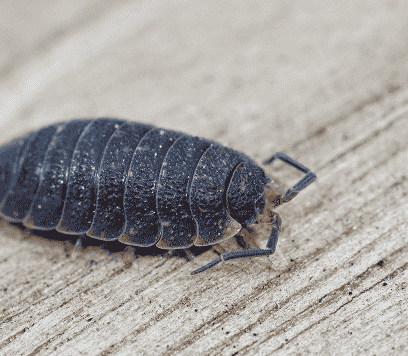
Structural gaps are equally important. Tiny cracks, loose vents, pipe openings, warped door sweeps, and utility penetrations are all entry points. In Mississauga, many townhomes and detached homes have basement access points that are easy to overlook, especially if the infestation started in a basement, crawlspace, or utility area.
The hidden source was never fully removed
When the nest remains active, pests can repopulate fast. This is especially true for rodents, ants, and bed bugs. A technician may target the visible activity, but if the nest sits in wall voids, attic insulation, or other hidden spaces, the colony can continue to expand. That is why a careful inspection matters before and after service.
In some cases, the first visit is only the beginning. A proper plan should include additional treatment to check whether the source has been fully disrupted. For rodents, that may mean locating the nest and confirming activity with traps or monitoring devices. For insects, it may require a second application or a different method if the first round only reduced the surface population.
Fresh pests are getting in from outside
Even a successful treatment will not last if the property still has open entry points. This is where exclusion becomes essential. Sealing cracks, repairing screens, closing gaps around pipes, and tightening exterior access helps stop new pests from entering. Without exclusion, a treated home can become a revolving door.
This issue is especially common during seasonal strain. In the GTA, humid summers cause insects to reproduce faster, while freeze-thaw periods can drive rodents and other pests inside. In Mississauga neighbourhoods with older masonry, common fences, or aging foundations, those openings can be enough to maintain the infestation cycle active.
Food, dampness, and clutter keep drawing pests
Even strong treatment can struggle if sanitation is weak. Pests are attracted to food sources, wet areas, and messy storage areas. Moisture from leaks, condensation, laundry rooms, or damp basements can promote pest survival and leave some products weaker. Pests can also hide in clutter, cardboard, and stacked items, which provides protected routes between rooms.
This is one reason a technician may recommend cleanup and ongoing monitoring rather than a one-off treatment. If the property still offers shelter and food, pests have strong reason to return.
The reason rats reappear following treatment
mice control Mississauga stands as the most typical ongoing service requests because mice are tenacious, quick, and very skilled at using small openings. A mouse can travel through a remarkably tiny gap, which means a home may appear closed to the owner while still being open to rodents. Once inside, mice often move through wall voids, attics, and basements, which makes them hard to eliminate without a full inspection.
Many homeowners compare this with pest control Toronto mice services because the same urban rodent pressure exists across the GTA. The difference is often in the housing layout. In Mississauga, detached homes with attics, townhomes with shared walls, and condo service areas all create different pathways. If a company only places baiting stations but does not seal openings or inspect the attic, mice can keep coming back.
One of the biggest mistakes is assuming baiting alone solves the problem. Baiting can decrease movement, but it does not replace exclusion or ongoing monitoring. If there is a nest in the attic, behind appliances, or inside wall voids, the source can remain active even after several mice are removed. That is why a follow-up treatment is often necessary, especially when fresh droppings or gnaw marks continue to appear.
If you are dealing with recurring rodent issues, ask whether the provider checked the attic, basement, and utility penetrations. Those are some of the most common hiding zones in Mississauga homes.
What makes bed bugs or ants can seem impossible to eliminate
Bed bugs and ants are frustrating because they can endure treatment patterns that would work on other pests. With pest control Toronto bed bugs cases, the biggest challenge is often resistance and concealment habits. Bed bugs nest into mattress seams, furniture joints, baseboards, and other tight spaces, then return when the infestation cycle is not fully interrupted. If eggs persist, or if even a small group is missed, the problem can come back.
Ants can be equally persistent. Colonies may break apart, move, or continue feeding from a nearby nest. Some species show less sensitivity to certain products, especially when homeowners have already applied store-bought sprays. In those cases, watching activity and a carefully coordinated treatment strategy count more than a quick temporary fix.
Both pests show why inspection and monitoring are so essential. A technician needs to find where the pests are active, what is attracting them, and whether the treatment plan is decreasing activity over time. If the colony or hidden population is still there, one visit may not be sufficient.
What efficient pest control Mississauga should include
A good pest control Mississauga service should do more than a single treatment. It should begin with a careful check to determine the pest, find activity, and trace the source of the issue. That includes searching for hidden nesting areas, moisture problems, food sources, and entry points around the home.
Next comes exclusion. If the property can still be entered, the issue may come back. A solid plan should include sealing structural gaps, repairing screens, and tightening access at the foundation, roofline, vents, and utility penetrations. In Mississauga, this makes a difference in basements, attics, garages, and shared building spaces.
Additional treatment is also a sign of quality. According to the pest, a second visit may be needed to reassess activity and target surviving pests. Monitoring should continue until the infestation is truly contained. That can mean traps, glue boards, bait checks, visual inspections, or ongoing service if the property is at high risk.
If a company does not mention these steps, the treatment may be too narrow to prevent reinfestation.
Why community service level changes results
The quality of local service often determines whether pests return. Homeowners comparing best pest control Mississauga providers usually focus on outcomes, promptness, and whether the company explains the plan clearly. pest control Mississauga reviews can be useful, but they should be read closely. Look for comments about inspections, follow-up treatment, communication, and whether the technician found the actual source rather than just treating symptoms.
Names such as abell pest control mississauga, ar pest control mississauga, and pestend pest control mississauga may come up when people search locally. You may also see broader brand searches like abell pest control or ar pest control reviews. The most useful comparison is not just branding, but whether the company offers inspection-based service, clear prevention steps, and practical recommendations for your property type.
In Mississauga, local service quality should match the building type. A basement suite in one neighbourhood needs different attention than a condo unit or a detached home near landscaping or older drainage lines. A company that understands those local details is more likely to stop pests from returning.
Ways to compare pest control near me options
When you search pest control near me, focus on more than convenience. Ask whether the provider actually understands mississauga pest control conditions, including seasonal pressure, moisture issues, and common access points. If you are comparing quotes, do not just look at the lowest number. The pest control Mississauga cost may be higher when a company includes inspection, exclusion, monitoring, and return visits, but that can be cheaper than repeated treatments that do not solve the root cause.
It also helps to ask what is included in the price. A lower quote may cover only a single treatment, while a better package may include follow-up treatment and prevention steps. If your home has a recurring issue, value matters more than a one-time discount.
When to compare regional providers in Toronto and Brampton
Occasionally it helps to evaluate providers across the GTA, especially if you are checking service range, response times, or specialty experience. Searches like pest control Toronto, pest control Brampton, and pest control Scarborough can show how companies handle shared pest pressures in nearby markets. You may also see similar terms such as best pest control Toronto, pest control Toronto cost, and pest control Brampton prices.
If you need rodent help, pest control Toronto mice may highlight providers with strong exclusion and attic experience. If bed bugs are the issue, pest control Toronto bed bugs searches can help you assess companies that understand monitoring and resistance. You may also come across abell pest control Brampton or ar pest control Toronto when looking beyond Mississauga. The key is to compare process, not just geography.
What you should ask before booking a return visit
Before you schedule another service, ask what failed the first time. Was the problem treated without inspecting the full area? Were entry points missed? Was there follow-up treatment, or was the job treated as a one-and-done visit? These points help you understand whether the provider is fixing the underlying issue or just minimizing the effects.
You should also review pest control Mississauga reviews for recurring themes, not isolated opinions. Look for repeat mentions of clear communication, thoroughness, and results that remained effective. If you are reading ar pest control reviews or similar local feedback, focus on whether customers mention ongoing monitoring, return visits, and whether the technician walked through the infestation cycle clearly.
Quality service should give you a plan, not just a quote. Ask how they will confirm whether pests are gone, what signs you should watch for, and when the next inspection should happen.
Frequently asked questions about pests coming back after treatment
Why do pests keep coming back after treatment?
Pests keep coming back when the root cause was not fully solved. That usually means the inspection missed a nest, hidden harborage, or entry points. It can also happen if sanitation problems, moisture, or food sources remain, or if follow-up treatment and monitoring were not part of the plan. In Mississauga, seasonal pressure and building layout can also make reinfestation more likely.
How long should pest control last in a Mississauga home?
It depends on the pest, the property, and whether exclusion and prevention steps were completed. Some treatments provide short-term relief, while others need monitoring and return visits. In a Mississauga home, the result should last longer when the company inspects thoroughly, seals structural gaps, and addresses moisture or sanitation issues.
Do I need a follow-up treatment for mice or bed bugs?
In many cases, yes. Mice often require follow-up treatment because they may be active in wall voids, attics, or basements, and new rodents can enter if openings are not sealed. Bed bugs usually need repeat visits because eggs or hidden pockets of activity can survive the first round. Follow-up treatment and monitoring help confirm the infestation is truly under control.
What questions should I ask a pest control company before scheduling in Mississauga?
Ask what the inspection addresses, whether they offer exclusion work, how they handle monitoring, and whether follow-up treatment is part of the service or recommended. You should also ask about pest control Mississauga cost, what is included in the quote, and how they deal with Mississauga-specific issues such as basements, townhomes, condos, and seasonal pressure.
Mosquito Man MississaugaPlaza 3, 2000 Argentia Rd Ste 400, Mississauga, ON L5N 1V9, Canada
+1 705-230-6577
https://maps.app.goo.gl/1uX4a5KCEf9RgE8t5
https://mosquitoman.ca/pest-control/mississauga/
43.5985085, -79.7411710
Why are pests still showing up after my home was treated?
You may still be seeing leftover activity, or there may be another source nearby. A nest may not have been fully removed, new pests may be entering through open entry points, or environmental factors such as moisture and clutter may still be attracting them. If pests continue to appear, the next step is a more detailed inspection and a revised plan that includes exclusion, monitoring, and, if needed, follow-up treatment.