How to Know If You Need Pest Services in Scarborough
If you reside in Scarborough, ON, knowing when to arrange pest control scarborough services can help you avoid you time, money, and stress. As part of the east end of Toronto, Scarborough includes detached homes, townhomes, condos, and apartment buildings, which means pest problems can vary from one address to the next. A subtle trail of droppings in a basement near Malvern may signal a rodent issue, while a few bugs in a high-rise near Scarborough Town Centre could point to a larger problem in shared walls or common areas.
The key is identifying signs of pests early before a small concern becomes a serious pest problem. Whether you are dealing with mice, rats, ants, cockroaches, bed bugs, wasps, or spiders, the warning signs often appear first in kitchens, basements, and other hidden spaces. A professional pest control company can examine the property, locate the source, and suggest safe and effective next steps.
What are the most common signs of a pest issue?
The clearest signs of pests are usually easy to spot, physical, or structural. If you notice any of these, it may be time for a pest inspection and recommended treatment.
Droppings are one of the most obvious red flags. Mouse and rat droppings often appear in cupboards, along baseboards, behind appliances, or near storage boxes in basements. Insects can leave smaller specks or debris around food areas. If droppings keep appearing after you clean, that suggests ongoing pest activity.
Gnaw marks are another clear warning. Rodents chew wood, plastic, cardboard, electrical wires, and even soft metals. If you see bite marks on pantry packaging, trim, or stored items, it may mean mice or rats are nesting nearby.
Grease trails and rub marks often show up along walls, pipes, and floor edges where rodents travel repeatedly. These dark smudges happen because mice and rats leave oily residue from their fur as they move through the same routes. In an older Scarborough home or a busy condominium hallway, rub marks can reveal where pests are entering or travelling between areas.
Live insects are a direct sign that action is needed. A single ant or spider may not mean much, but repeated sightings of ants in the kitchen, cockroaches in cabinets, or bed bugs around sleeping areas can indicate a larger ongoing problem. Live pests in daylight can also suggest the infestation is more advanced than it first appears.
You may also notice nests, shredded insulation, nesting material, or strange odours in hidden places. Rodents often build nests in basements, attics, or behind appliances, while insects may hide in wall voids, cracks, and cluttered storage spaces. Any combination of these signs should prompt a closer look.
Which pests are most common in Scarborough homes and condos?
Scarborough’s combination of older detached homes, modern subdivisions, and closely packed condominium and apartment building communities forms the right conditions for many common pests. Some are more likely in properties with basement access, while others move quickly in shared buildings with shared walls and common areas.
Mice are among some of the most common pests in Scarborough. They can come in through narrow entry points around utility lines, basement gaps, or foundation cracks. Once inside, they reproduce quickly and often target kitchens, storage rooms, and more sheltered interior spaces. In winter, mice regularly move indoors to escape the cold.
Rats are another major significant concern, especially in places with trash containers, organic waste, aging structures, or proximity to nearby sewers. Signs of rats may show up as larger droppings, bite marks, burrows near exterior walls, or scratching noises at night. As rats can result in property damage and health risks, they should be addressed promptly.
Ants frequently develop into a nuisance in spring and the summer season when they look for food and water. They may enter through cracks around windows, kitchen lines, or basement base structures. In condominiums, ants can travel between units if the origin is not found and treated correctly.
Cockroaches are especially troubling because they can spread quickly and flourish in hidden, toasty, humid spaces. Cooking spaces, utility cupboards, and shared laundry rooms are common shelter sites. Cockroaches can also trigger allergies and pose food contamination concerns, making immediate response important.
Bed bugs are a significant problem in apartment building and condominium properties because they travel through items, luggage, and neighboring units. They are often found in bedrooms, upholstered furniture, and cracks near sleeping areas. Bites, dark spotting on bedding, and live insects around mattress seams are typical clues.
Wasps often get more active around roof edges, fascia areas, decks, and external storage spaces during warmer months. An obvious nest or repeated wasp activity near entrances can become a safety concern, especially for households with kids or anyone with allergies.
Arachnids are frequently spotted in lower-level rooms, workshops, nooks, and storage spaces. While many spiders are harmless, a sudden rise may indicate that different pests are present, since spiders go where prey is available.
How do annual changes in Scarborough impact pest activity?
Scarborough’s weather patterns can significantly influence pest pressure. Lake Ontario adds lake-driven humidity, and the region experiences pronounced seasonal temperature swings. That combination can send pests indoors or encourage breeding outdoors depending on the time of year.
Winter infestations are common because rodents and some insects seek heat, shelter, and food inside homes and condo buildings. Cold weather leads mice and rats toward protected basements, kitchens, and utility spaces. In older homes, small gaps around pipes or foundations can become open invitations.
Spring pest activity often rises as temperatures warm and pests become more active after winter. Ants begin hunting for food, spiders become easier to spot, and overwintering insects may appear from hiding places. Spring is also a smart time to catch evidence of nesting that developed during colder months.
Summer insects are a common issue across Scarborough, especially near outdoor food, patios, balconies, and garden areas. Wasps become more aggressive later in the season, and ants may continue to trail into kitchens. Humid conditions can also support cockroach survival in damp locations.
Fall rodent entry is another major pattern. As temperatures drop, mice and rats look for shelter before winter sets in. This is when exclusion work becomes especially important, because rodents often exploit tiny entry points around doors, vents, and utility lines. If you live near Birch Cliff, Warden, or other neighbourhoods with a mix of older and newer buildings, fall can bring a noticeable increase in rodent control calls.
Because of these seasonal pests, many property owners in Scarborough benefit from preventive measures before problems peak. That includes sealing entry points, reducing clutter, and keeping up with sanitation practices throughout the year.
When should I contact a pest control professional?
You should reach out to a professional pest control provider when the issue is not just a one-time sighting or when the signs suggest a more serious infestation. A local exterminator can assess the infestation severity and recommend the right treatment plan.
Contact sooner if you notice recurring pests after cleaning or trying basic DIY methods. One ant trail might be manageable, but repeated sightings in the same kitchen, basement, or bathroom often mean there is a nest or hidden source nearby. The same is true for mice and rats: if you keep finding droppings, gnaw marks, or rub marks, the problem is likely ongoing.
Professional help is especially important when there are health risks. Cockroaches, rodents, and bed bugs can all affect comfort and safety in different ways. Rodents can contaminate food and surfaces, cockroaches can worsen allergy symptoms, and bed bugs can disrupt sleep and spread through multi-unit buildings. If there is any concern about food contamination or exposure in sleeping areas, urgent treatment may be the safest option.
Another reason to get in touch is property damage. Rodents can chew wires, insulation, and structural materials, while insects can damage stored goods and furnishings. The longer you wait, the more likely the infestation will spread into wall cavities, basements, kitchens, and other hard-to-reach spaces.
If you have already tried traps, sprays, or cleaning and the issue returns, that is a sign the root cause has not been removed. A professional inspection can identify entry points, nesting sites, and harborage areas that are easy to miss without training.
What should I inspect in basements, kitchens, and shared spaces?
Some of the best clues are seen in the places pests like best: dark, quiet, and often seldom disturbed spaces. In Scarborough homes and condos, take a close look at basements, kitchens, attics, and shared laundry rooms.
Kitchens are a top priority because they provide food, moisture, and hiding spots. Inspect kitchen cabinets, under sinks, behind appliances, around pantry shelves, and along baseboards. Look for droppings, food packaging damage, cockroach activity, or ant trails leading to crumbs and spills. Even small sanitation gaps can attract pests quickly.
Basements often give pests access to entry points, storage, and shelter. Inspect around foundation walls, sump areas, utility lines, and cardboard boxes. In many Scarborough homes, basements are where mice first become visible because the area is quiet and easy for rodents to nest in. If you hear scratching, see gnaw marks, or smell something musty or stale, follow up right away.
Attics are worth checking too, especially if you suspect rodents or nesting birds near the roofline. Look for shredded material, insulation disturbance, droppings, or signs of movement near vents and soffits. Attics can also be a staging area for pests entering through the roof edge.
Shared laundry rooms are important in condos and apartment buildings because moisture, warmth, and frequent traffic can attract pests. In these areas, look near machines, storage shelves, baseboards, and utility openings. Pests can travel through common areas and then spread into neighbouring units, especially when maintenance gaps are left unresolved.
If you live in a condominium, remember that a pest problem is not always isolated to your suite. In shared buildings, pests may use walls, pipes, and utility chases to move between rooms and floors. That makes prompt reporting and coordinated treatment especially important.
How can I tell if pests are entering from nearby buildings?
In Scarborough, pests often move between properties in high-density housing areas, especially where multi-unit buildings are close together. Common walls, connected services, and common areas can form channels for pests to move.
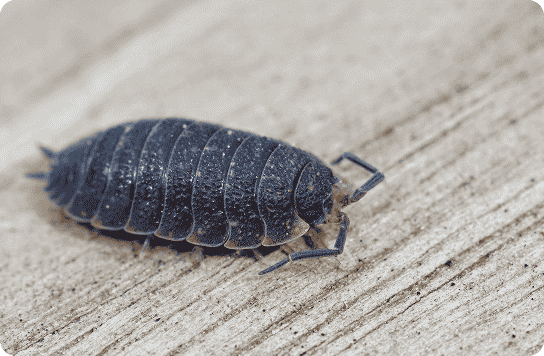
If you live in multi-unit buildings or condos and you keep seeing pests after you’ve cleaned and sealed obvious gaps, the source may be elsewhere. For example, a mouse problem could begin in one suite and travel through wall voids, or cockroaches may travel through plumbing chases from a neighbouring unit. Bed bugs are especially known for moving between units in apartment building settings.
Shared walls can make this worse because pests do not need outdoor access to move. They may move behind drywall, under flooring, or through utility openings. If a neighbour is dealing with an issue, you may spot signs in your own space even if your home is tidy.
Neighbouring units matter as well. If several residents in the same hallway, floor, or row of townhomes report similar signs, that can point to a broader building-level issue. This is common in condos near busier commercial corridors or older residential blocks where maintenance history varies.
Common areas such as hallways, laundry rooms, garbage chutes, storage rooms, and lobbies can help pests spread through a building. If you notice pests in these spaces, it is often a sign that the issue needs organized expert attention rather than isolated spot treatment.
For residents in Scarborough, especially in high-density communities near Scarborough Town Centre or along major routes, the best approach is to report the problem early and ask for a full inspection. A building-wide response is often more successful than treating a single unit alone.
What should I do before booking pest control in Scarborough?
Before booking pest control scarborough services, it helps to assemble key facts and ready the area so the inspection is more accurate. A little preparation can boost the outcome of the inspection and speed up treatment.
First, use a inspection checklist. Record where you saw pests, what they looked like, and when you noticed them. Look for signs like droppings, gnaw marks, rub marks, nests, or live insects. Specify whether the issue is limited to one room or spread through several areas, including basements and kitchens.
Focus on sanitation. Clear away crumbs, spills, grease, and standing water from food areas. Dispose of garbage, wipe counters, and vacuum around appliances. Good sanitation practices do not solve every infestation, but they can reduce food sources and help reveal where pests are entering or nesting.
Review food storage. Place dry goods in sealed containers, keep pet food covered, and avoid leaving food out overnight. In kitchens and pantries, cardboard boxes and open packaging can attract mice, ants, and cockroaches. Better storage also reduces food contamination risk.
Look for possible entry points. Check around doors, windows, pipes, vents, and utility penetrations. Even small cracks can let pests in, especially mice and ants. If you can safely identify gaps, note them for the technician. Exclusion work is often a major part of long-term control because sealed entry points help stop repeat infestations.
Finally, make access to likely problem areas. Move clutter away from walls, open under-sink cabinets, and make sure basements, attics, and storage spaces can be inspected easily. The easier it is to inspect the property, the more complete the assessment will be.
Why does local pest control benefit Scarborough residents?
Local pest control matters because the conditions in Scarborough are not the same as they are in every part of the GTA. The local climate, building types, and neighbourhood layout all affect how pests behave. A provider familiar with Scarborough, ON can better understand the pressure created by lake-effect humidity, seasonal temperature swings, and the mix of detached homes, condos, and apartment buildings across the east end of Toronto.
Working with licensed technicians gives you a better chance of getting a safe and effective result. Licensed professionals are able to spot the pest correctly, choose the best method, and reduce risk to your household. They can also examine for hidden activity in basements, kitchens, attics, and common areas.
Local providers are also more likely to know the needs of Toronto Public Health guidelines and best practices around pest reporting, sanitation, and prevention. That is especially useful when the issue affects multiple units or a shared building environment.
Most importantly, local professionals can create a prevention plan tailored to your property. That may include exclusion, ongoing monitoring, sanitation improvements, and advice for preventing future seasonal pests. A strong plan is not only about removing the current infestation; it is about making sure it does not return.
For homeowners in Birch Cliff, families in Malvern, and condo residents near busy commercial centres, the right pest control approach should be practical, local, and built around your building type. Whether the issue is mice in the basement, cockroaches in the kitchen, or bed bugs in a condominium, early action makes the biggest https://richmond-hill-oncn092.urbanvellum.com/posts/low-cost-pest-control-in-scarborough-on difference.
If you are seeing repeated signs of pests, do not wait for the problem to spread. In Scarborough, fast action is often the difference between a minor issue and a serious infestation.
FAQ
What are some the first signs I need pest control in Scarborough?
Common signs usually include droppings, gnaw marks, rub marks, nests, live insects, or repeated pest sightings in the same area. If you see these in kitchens, basements, or around entry points, it is a strong sign that pest control scarborough services may be needed.
Are pests more common in Scarborough condos and apartments?
Certainly, pests can be more difficult to manage in condos and apartment settings because multi-unit buildings, shared walls, and common areas allow pests to spread between neighbouring units. Bed bugs, cockroaches, ants, mice, and rats can all move through these spaces if the source is not addressed quickly.
How do I know if I have mice or rats in my home?
Mice typically leave smaller waste, finer chew marks, and may fit through small access gaps. Rats typically leave bigger droppings, more distinct rub marks, and more noticeable property damage. Both may nest in basements, kitchens, and hidden voids, so a professional assessment is often the best way to confirm which rodent is involved.

When is the best time of year to call pest control Scarborough services?
The best time is the moment you notice indications of pests, but certain seasons create extra pressure. Cold-season infestations, spring pest activity, summer bugs, and fall rodent intrusion are all common in Scarborough because of local climate conditions and dense building development. Early action before seasonal peaks is often the most effective approach.
1225 Kennedy Rd, Scarborough, ON M1P 4Y1, Canada
+1 647-243-7241
https://maps.app.goo.gl/8SuLx1MkkqVJFc2m9 https://mosquitoman.ca/pest-control/scarborough/
43.7561897, -79.2751574
Is it possible to handle a pest problem myself or should I call a professional?
You may be able to manage a very minor issue on your own, but repeated pests, visible infestation, safety risks, or property damage usually require expert pest control. A local exterminator can inspect the property, identify entry points, and use reliable and effective treatments that are more likely to solve the root cause rather than just the symptoms.